Poolside
Energy
A research and technology company.

The rules, and how the product enforces them.

Request access
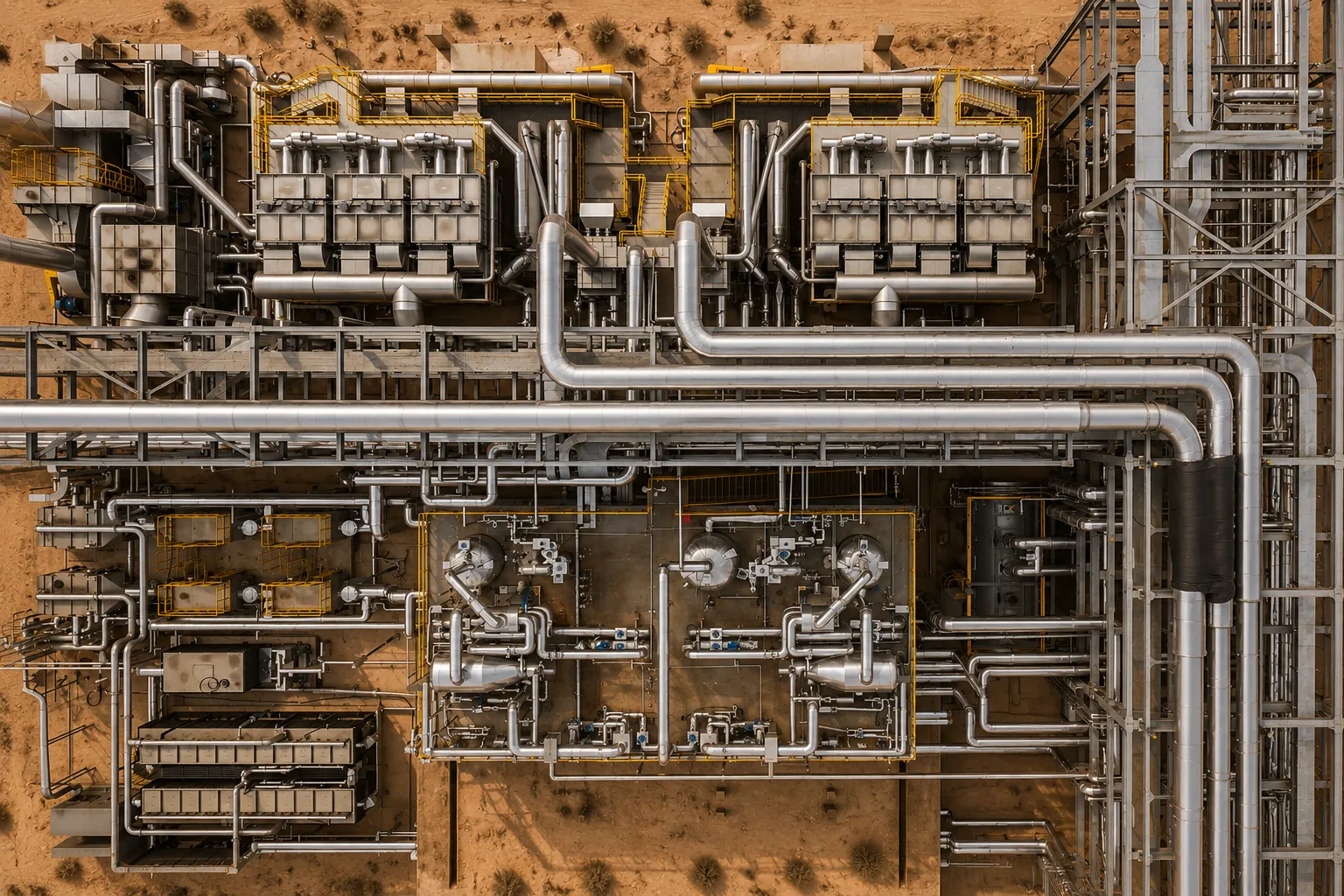
Gas plant on the desert plain, aerial
Trust

This product reads public records about other people's property — often family property, often after a death. That calls for more than a disclaimer.

Each rule below is enforced in the product's code, and this page says how. If a claim here ever stops being true, it comes off the page.

The rules

Seven rules, each one enforced.

A name the search returns is a lead to confirm — never an assertion of heirship or title.

How it's enforced — Every candidate is shown with its public source attached. No source, no candidate. Nothing reads 'high confidence' unless two separate searches agree, and the confirm step is a human clicking a button.

Before any offer to buy, an owner is told what they have — and that they can claim it themselves, free.

How it's enforced — The disclosure paragraph is compiled into every letter the product drafts for an individual owner — outreach, disclosure, offer cover letter, follow-up — and into every email, and the UI has no control to remove it. The one letter without it is the first-contact mailer printed against a whole roster, which names no price and asks the owner to get in touch.

A modeled value estimates what an interest could be worth from public records and stated assumptions. It is an estimate you can defend, never an appraisal.

How it's enforced — Each calculator puts its main inputs on screen as fields you can change. Modeled figures are labeled as models or estimates, and state-held balances display as exactly that — money held, never a value of the interest.

Every data point comes from a state system, and you can check that claim yourself.

How it's enforced — Inside the product, figures link to the agency record they came from — escrow ledgers, hearing dockets, trust registries, production reports — and the full source ledger, per state, lives behind the login.

Public pages show city and state at most. Street addresses exist only where you put them.

How it's enforced — Street addresses are stripped before anything is stored for display. Mailing addresses live only in your private book, entered by you from your own work.

Leads, notes, contacts, and outcomes are private to your account — not shared, not pooled, not resold.

How it's enforced — Row-level security scopes every private table to your login at the database layer. Another account — including ours reading casually — sees an empty list, not your pipeline.

Every touch on a lead — call, letter, disclosure, status change — is on the record.

How it's enforced — Events are logged append-only as a side effect of using the product; there is no delete. If a deal is ever questioned, the timeline of who knew what, and when, already exists.

Our own capital

We invest on this analysis too.

Poolside puts its own capital into mineral, royalty, and non-operated interests on the strength of the same analysis, so it has to hold up. Rule 06 applies to us like anyone else: your leads, notes, contacts, and outcomes are private to your account — not shared, not pooled, not resold.

Josh Prasatik, co-founder →
By design

What the product refuses to do.

Most of the risk in this business is over-claiming — a wrong-person letter, a fabricated heir, a number presented as a fact. So the refusals are built in, not left to judgment on a busy day.

Heirship
It won't show a name without a source.

If the search can't cite a public record for a candidate, the candidate isn't shown. An honest 'none found' beats a plausible guess.

Confidence
It won't call one source 'high confidence.'

Confidence stays capped until two separate searches or records agree — agreement is checked, not assumed.

Your book
It won't auto-save a found address.

Contact details the search surfaces arrive as unverified suggestions. They enter your book only when you confirm them.

Letters
It won't draft an offer without the disclosure.

Every letter written to an individual owner states their rights plainly, and removing that paragraph isn't an option we built. The roster-wide first-contact letter is the one without it: it names no price and asks the owner to get in touch.

Why disclosure comes first

Oklahoma's courts have already ruled on the silent version of this business.

A buyer once purchased mineral interests from heirs without mentioning what he knew: the land had been pooled, and proceeds were sitting in escrow with the sellers' names on them. The Oklahoma Supreme Court sided with the heirs — knowing about the money and staying quiet wasn't sharp dealing, it was the kind of conduct the state's consumer protection law exists to reach.

We built for that standard instead of against it. Before any offer, the letter tells the owner what they have and that they can claim it themselves at no cost. It's the letter we'd want our own family to receive.

One letter goes out without that paragraph: the first contact sent to a whole roster. It names no price. It says the records suggest the owner holds an interest, that the sender buys in the area, and that help working out what they own is there if they want it.

Values are models, never appraisals.

An estimate of what an interest could be worth, with its inputs on screen — never an appraisal.

Candidates, never conclusions.

Names and addresses are leads to confirm — the confirm button is yours.

Disclosure before any offer.

Owners are told what they have, and that they can claim it free, before an offer lands.

None of this page is legal advice — it's a description of how the product behaves. Your own counsel reviews your deals.

In private beta.

See the states we cover, or ask for a key.

Poolside
Energy
A research and technology company.
Product
Company
States
OklahomaTexasMontanaUtahColoradoOhioVirginiaLouisiana
Contact
connect@poolside.energyPrivate beta · by request
© 2026 Poolside Energy Mineral Holdings
LegalPrivacySources